



UK Media Law Pocketbook Second Edition published by Routledge 30th November 2022
Links to the online only chapters: 13 Reporting Local Government and access to meetings, 14 Covering Inquests, 15 Covering Public Inquiries, 16 Reporting Courts Martial, 17 Reporting the Family Courts, 18 Media Law of British Isles jurisdictions of the Isle of Man and the Channel Islands, and 19 Data Protection Law for Journalists.
Completion and development of these chapters is a continuing process with regular additions of media law case law, legislative and regulatory developments for these and Chapters 1 to 11.
If you are reading and accessing this publication as an e-book such as on the VitalSource platform, please be advised that it is Routledge policy for clickthrough to reach the home page only. However, copying and pasting the url into the address bar of a separate page on your browser usually reaches the full YouTube, Soundcloud and online links.


13 Reporting Local Government and access to meetings
Explaining the media law on attending and reporting all forms of local authority executive, committee and chamber meetings. Analysing the three key pieces of legislation covering a variety of local government structures and styles of administration and additional Acts and statutory instruments applying rules of access for health authorities, NHS Trust, and police bodies- recently reformed into Police Commissioners.

14 Covering Inquests (and Fatal Accident Inquiries in Scotland)
Explaining the media law on attending and reporting Coroner’s inquiries into sudden deaths in England and Wales. The application of media contempt law when juries are convened to decide on the conclusions. The powers of a Coroner to impose reporting restrictions such as anonymity to witnesses, and the availability of sound recordings to journalists when inquests have been held at times they have been unable to attend.

15 Covering Public Inquiries
Public inquiries have provided an important forum for inquisitorial investigation and inquiry into events and issues that cannot not be accommodated in the legal system. Key case histories on qualified privilege, anonymity restrictions, multimedia broadcasting of the proceedings and media access to the evidence taking and inquiry documents.

16 Reporting Courts Martial
Explaining the media law of the courts martial system in the British Services run by the office of the Judge Advocate General and Military Court Service. Military Court Centres in the UK are based: Bulford (Wiltshire) Catterick (Yorkshire) and the Court Martial may also sit from time to time in Northern Ireland (Aldergrove), Germany (Sennelager) and Cyprus (Episkopi). Open justice, media contempt, and reporting restriction issues and significant case histories.

17 Reporting the Family Courts
The Family court system in England and Wales operates mainly in private hearings with complex reporting restrictions and uneven access for journalists. However, developments in
2021 suggest significant attempts are being made to improve transparency and openness, and enable much more reporting. This chapter explains the media law on access and how journalists are able to report the outcome of cases and challenge the stringent limitations on reporting.
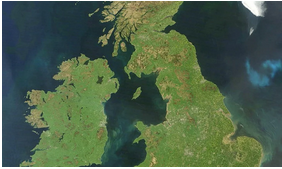
18 Media Law of British Isles jurisdictions of the Isle of Man and the Channel Islands.
In addition to the separate legal jurisdictions of England and Wales, Scotland, and Northern Ireland, the self-governing British Crown Dependencies of the Isle of Man and the Channel Islands also have their own separate legal jurisdictions. Consequently, they have their own bodies of media law. This online chapter summarizes the position of libel, media contempt, privacy and other restrictions engaged in these island territories of the British Isles which are neither part of the United Kingdom nor the European Union.

19 Data Protection Law for Journalists
Data protection is emerging as a significant new front in media law liability and this chapter explains that in the UK the Information Commissioner’s Office (ICO) needs to be recognised as a significant regulator of professional media. GDPR and the Data Protection Act 2018 obliges the ICO to formulate, publish and implement a Journalism Code. The chapter covers case law and duties for journalists, photographers and media publishers having to register and pay an annual licence for data processing, secure and protect private information in professional research, production and publication, comply with the public interest exemption, and legal duties arising in research and news gathering conduct with data recording devices and technology.
20 New Developments in Media Law
This online page provides a resource for analysing significant developments in primary and secondary media law after the publication of the printed Second Edition of UK Media Law Pocketbook in 2022.
 UK Media Law Pocketbook Second Edition